
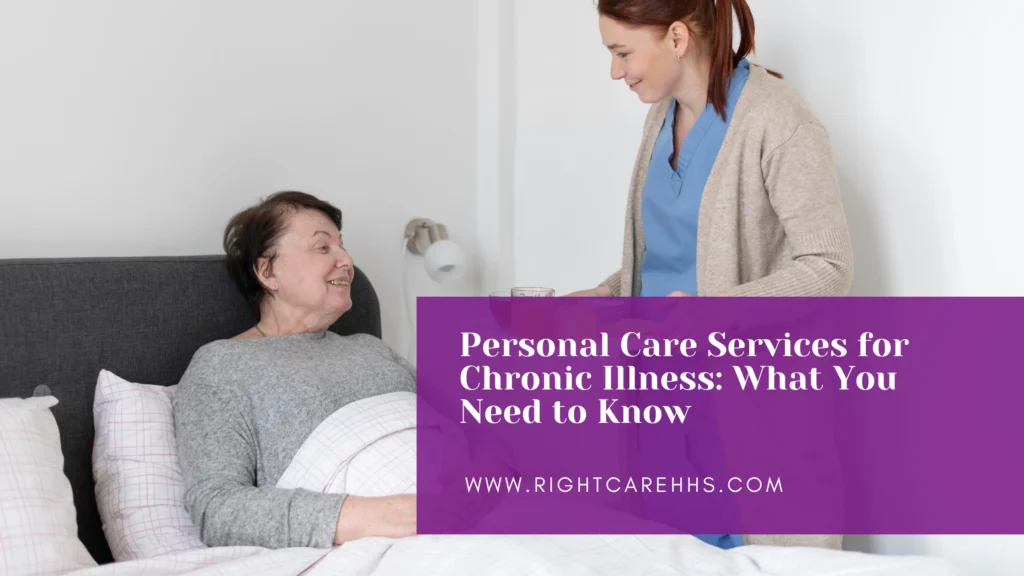
Managing a chronic illness often requires daily assistance beyond clinical treatment. Personal Care & Support provides structured, non-medical help that allows individuals to remain safe, consistent, and supported while living at home. These services are commonly used within private home health care plans for adults, children, and families managing long-term conditions.
What Personal Care & Support Includes
Personal care services focus on helping individuals complete essential daily activities safely. Personal Care & Support refers to hands-on, non-medical assistance provided by trained personal care assistants. Support commonly includes hygiene assistance, mobility help, routine support, and physical safety monitoring tailored to chronic illness needs.
Why Personal Care & Support Matters for Chronic Illness
Chronic conditions often create ongoing physical and functional limitations. Fatigue, pain, mobility challenges, and cognitive changes can disrupt daily routines. Personal Care & Support reduces these burdens by assisting with tasks that become unsafe or difficult, helping individuals maintain routine and stability at home.
Common Daily Challenges Caused by Chronic Illness
Chronic illness often affects daily independence and personal safety. Physical limitations and reduced energy can make routine tasks harder to manage consistently.
Common challenges include:
- Difficulty bathing, dressing, or grooming safely
- Reduced mobility or balance instability
- Fatigue that interferes with daily schedules
- Increased fall risk inside the home
Without consistent personal care services, these issues may escalate and increase the likelihood of emergency care or institutional placement.
How Personal Care Services Work Step by Step
Starting personal care services involves a structured and adaptable process.
- Initial Care Needs Assessment – An assessment reviews physical limitations, safety concerns, and daily challenges to determine the appropriate level of support.
- Personalized Care Plan Development – Care plans outline specific support needs such as hygiene assistance, mobility help, and routine monitoring, with flexibility as conditions change.
- Personal Care Assistant Assignment – A qualified personal care assistant is matched based on care requirements and availability to promote consistency.
- Ongoing Daily Support – Care is delivered according to the plan and may include bathing assistance, dressing, transfers, ambulation, and daily task support.
- Care Plan Adjustments Over Time – As chronic illness evolves, personal care services are updated to maintain safety and effectiveness.
Personal Care & Support Compared to Companion Care
Different care services serve different support needs. Personal Care & Support focuses on physical assistance such as bathing, toileting, dressing, and mobility. Companion Care centers on supervision, conversation, routine support, and light household tasks.
Personal care addresses functional limitations, while Companion Care supports daily engagement.
Cost Factors That Influence Personal Care Services
The cost of personal care services depends on several care-related factors. Service structure and care intensity play a major role in overall pricing.
Key cost factors include:
- Hourly versus scheduled care needs
- Visit frequency and duration
- Level of physical assistance required
- Complexity of the chronic illness
Long-term care planning is especially important for individuals in Concord and Charlotte, NC.
Tools and Planning Needed for Effective Personal Care
Preparation and coordination help ensure consistent care delivery. Common requirements include documented care plans, home safety evaluations, assistive devices, and communication logs.
Checklist: Preparing for Personal Care Services
- Identify daily tasks requiring assistance
- Review mobility and safety needs
- Confirm care schedule preferences
- Coordinate with other home-based services
Individuals receiving Home Infusion IV Therapy often rely on personal care services to support hygiene and mobility.
Mistakes to Avoid When Choosing Personal Care Services
Certain missteps can reduce the effectiveness of care. Delaying services, confusing personal care with medical care, selecting inexperienced providers, and failing to reassess needs regularly are common issues that impact long-term outcomes.
Real-Life Applications of Personal Care for Chronic Illness
Personal care services support a wide range of real-world needs. Individuals with progressive conditions often rely on care for morning routines, mobility support, and meal preparation. Families managing pediatric chronic illness benefit when Enhanced Pediatric Care is combined with personal care services.
Best Practices for Long-Term Personal Care at Home
Consistent planning supports sustainable care outcomes. Effective strategies include stable caregiver schedules, regular communication, ongoing care plan reviews, and coordination with Home Care services.
Personal Care & Support Services in Concord and Charlotte, NC
Local access allows individuals to receive care without leaving home. RightCare Home Health Services provides Personal Care & Support tailored to chronic illness management in Concord and Charlotte, NC.
Personal Care Services Available in Local Service Areas
RightCare Home Health Services offers personal care services across designated service areas in Concord and Charlotte, NC. Local coverage ensures individuals managing chronic illness can access consistent, non-medical support at home. Service areas are structured to support ongoing care needs without disrupting daily routines or requiring relocation.
Local Location Reference for Care Services
You can also view RightCare Home Health Services on Google to confirm location details and service availability. The Google Business profile provides accurate address information, local service coverage, and directions for in-person visits. Reviewing the profile helps ensure access to current business updates and contact details.
Frequently Asked Questions About Personal Care Services
Q. What do personal care services include for chronic illness patients?
Personal care services include assistance with hygiene, mobility, daily routines, meal preparation, and safety support. Care is adapted to chronic illness needs to maintain safe home environments.
Q. How is personal care different from home health or nursing care?
Personal care services are non-medical and focus on daily living activities. Home health and nursing care involve clinical or medical treatment.
Q. Who benefits most from personal care services for chronic illness?
Adults, children, and families managing long-term conditions that affect independence benefit most. These services also help reduce caregiver strain.
Q. When should someone consider personal care services?
Personal care services are appropriate when chronic illness interferes with daily tasks, safety, or independence. Early support can help prevent complications.
Key Takeaways on Personal Care Services for Chronic Illness
Contact RightCare Home Health Services to discuss personal care options for chronic illness support. A care coordinator can help review needs, service availability, and scheduling across local service areas.
Address: 1036 Branchview Drive NE Suite 106, Concord, NC 28025
Phone: (704) 935-5443